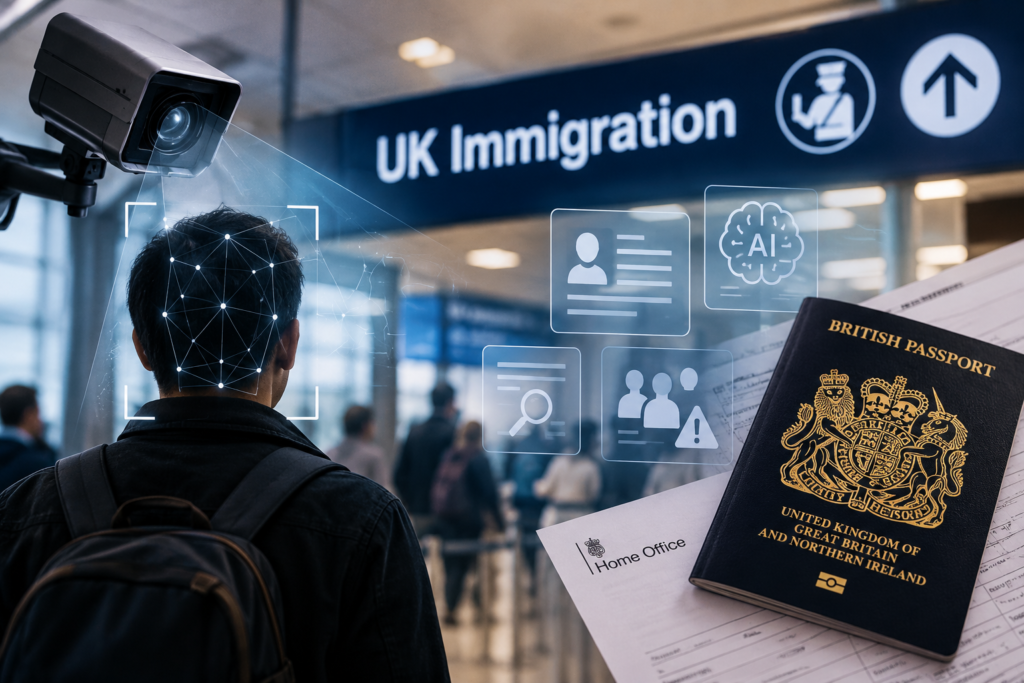


UK Home Office is considering wider use of live facial recognition technology to identify individuals suspected of breaching immigration laws, including those who have overstayed their visas or are subject to removal proceedings.
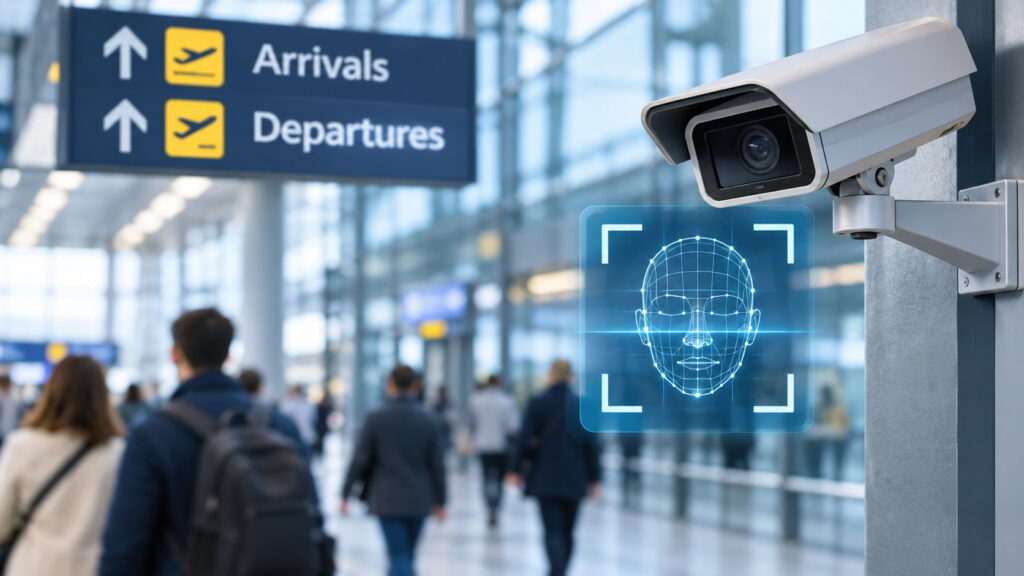
The technology could be deployed at transport hubs and selected public events as part of the Government’s plans to expand immigration enforcement activities across the UK.
The plans follow Home Secretary Shabana Mahmood’s decision to double immigration enforcement funding and increase staffing levels by 60%, supporting a substantial rise in enforcement operations across the UK.
How Will Facial Recognition Support Immigration Enforcement?
Live Facial Recognition (LFR) technology uses cameras to capture facial images and compare them against watchlists containing details of individuals sought by immigration authorities.
The Home Office is examining its use in cases involving:
- Individuals subject to deportation orders or immigration removal action.
- People suspected of entering the UK without valid immigration permission.
- Visa overstayers who have failed to comply with immigration requirements.
- Individuals wanted in connection with immigration-related criminal offences.
Notably, the proposed approach could extend beyond criminal investigations to include civil immigration breaches.
The Home Office believes the technology could help locate individuals more efficiently while reducing the need for repeated enforcement visits to residential properties and workplaces.
Previous Trials and Proposed Deployment Locations
Between November 2025 and February 2026, Immigration Enforcement conducted three facial recognition trials at Holyhead port in North Wales.
These trials focused on identifying individuals travelling from Ireland who were subject to deportation orders or wanted for immigration-related criminal offences.
Following these trials, the Home Office is considering broader deployment at transport hubs and locations hosting events attracting large numbers of people.
However, no specific locations or timetable for wider implementation have been confirmed.
Privacy Concerns and Safeguards
The proposed expansion has raised concerns among privacy campaigners and organisations representing migrant communities.
Critics have questioned whether facial recognition technology could lead to incorrect identification, particularly among ethnic minority communities, and whether sufficient independent oversight exists.
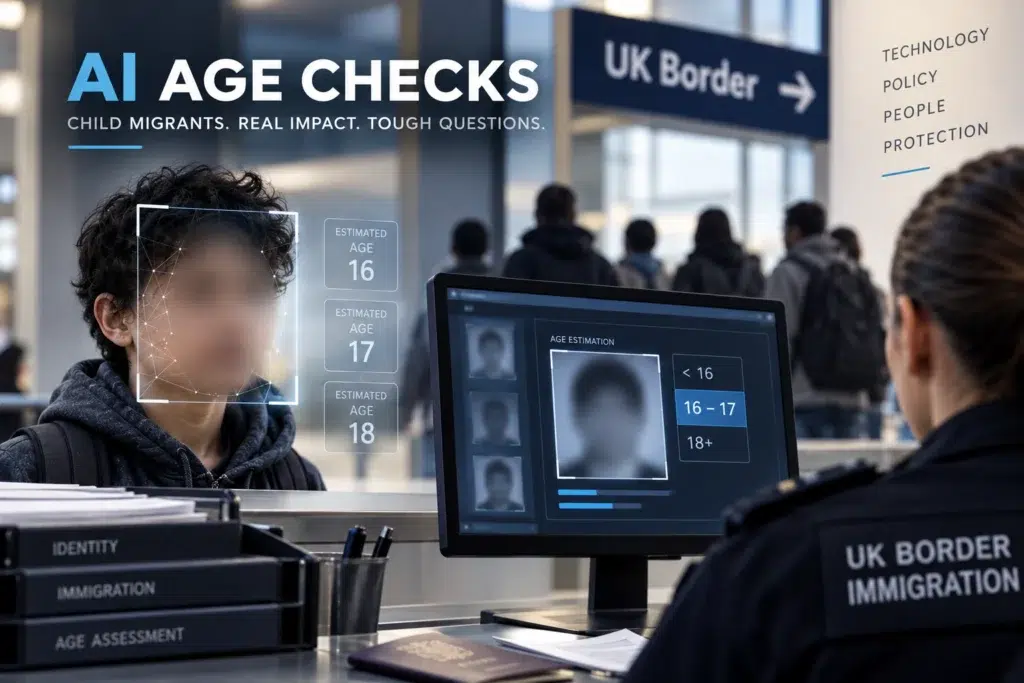
The Home Office’s policy reportedly excludes individuals under 18 from facial recognition watchlists.
The Government has also indicated that it is assessing the potential benefits and implications of further trials before determining how the technology may be used.
What Could This Mean for Migrants?
If expanded, facial recognition could provide immigration officers with additional means of identifying individuals who are subject to enforcement action.
The developments may be particularly relevant to people whose visas have expired, those facing removal proceedings or individuals who have not complied with their immigration conditions.
However, the proposed technology does not itself change the legal requirements governing immigration permission or removal decisions.
Further details are awaited regarding future deployments and the safeguards that will apply.
How Morgan Smith Immigration Can Help
At Morgan Smith Immigration, we provide professional immigration advice and assistance to individuals and businesses across a range of UK immigration matters, including visa applications, extensions and settlement.
With immigration policies and enforcement measures continuing to evolve, understanding your visa conditions and maintaining valid immigration status is essential.
If you require assistance with your UK visa application or have questions about your immigration options, our experienced team is here to help.
For professional immigration advice, contact Morgan Smith Immigration on 0203 959 3335 or email [email protected].
Follow Morgan Smith Immigration to stay updated on the latest UK immigration news and developments.